Understanding Auto Repair: A Comprehensive Guide of Specialized Services for Any Vehicle Problem
Steering through auto repair can present challenges for many vehicle owners. Understanding the spectrum of specialized services available is crucial for addressing specific issues effectively. From routine maintenance to complex electrical diagnostics, each service plays an important role in vehicle performance. As problems occur, recognizing the right approach can save both time and money. What are the key services that every vehicle owner should be aware of to maintain ideal vehicle care?
Understanding Regular Maintenance Services
Though numerous car owners focus on repairs solely when problems occur, understanding routine practical tips maintenance services is essential for extending a vehicle's longevity and guaranteeing optimal performance. Periodic maintenance involves several tasks, like oil changes, tire rotations, and fluid checks, which aid in preventing major, expensive issues down the line. By adhering to the manufacturer's recommended service schedule, owners can enhance engine efficiency, enhance fuel efficiency, and sustain safety benchmarks.
Furthermore, regular inspections can detect potential concerns early, allowing for timely repairs that lessen the risk of breakdowns. This proactive practice not only supports peak functionality but also safeguards the vehicle's resale value. Ignoring these services can lead to deterioration of vital components, elevating the likelihood of extensive repairs. As a result, vehicle owners gain significantly from prioritizing routine maintenance, fostering reliability and a smoother driving experience over time.
Identifying Electrical System Problems
Diagnosing electrical system malfunctions in vehicles requires recognizing common problems such as damaged wiring, blown fuses, and malfunctioning components. Utilizing specialized diagnostic tools, technicians can quickly evaluate the vehicle's electrical system to identify the source of the malfunction. Understanding the repair process is essential for effective resolution and ensuring the vehicle operates reliably and safely.
Typical Power Issues
In what ways can a vehicle's electrical system break down without warning? Common electrical problems often arise from a variety of factors, such as worn-out wiring, rusted contact points, or defective elements. These conditions may produce symptoms like dimming headlights, non-working dashboard indicators, or a inactive starting system. Battery problems are particularly prevalent; a failing or exhausted battery can interfere with the whole electrical circuit. In addition, broken alternators may struggle to charge the battery efficiently, creating additional problems. Further problems involve blown fuses, which can break the power connection to important parts, and complications with the starter mechanism, blocking the engine from initiating. Identifying these typical electrical issues is essential for prompt identification and successful restoration to maintain car trustworthiness.
Diagnostic Equipment Overview
Accurate identification of electrical system malfunctions in vehicles necessitates a range of specialized tools that can pinpoint problems accurately. Technicians commonly use multimeters to measure current, voltage, and resistance, supplying vital data on electrical circuits. Oscilloscopes are similarly vital, displaying waveforms to expose defects in signal quality and timing. Scan tools, which connect with a vehicle's onboard diagnostics, can recognize fault codes that reveal specific electrical failures. Moreover, circuit testers help verify the integrity of connections, while battery testers measure battery health and performance. Collectively, these diagnostic tools allow technicians to effectively diagnose and evaluate electrical malfunctions, setting the stage for proper repairs and ensuring the vehicle operates reliably.
Fix Process Described
An extensive repair process for electrical system issues initiates with a systematic approach to identifying the problem. Technicians leverage advanced diagnostic tools to detect malfunctions, examining components such as the battery, alternator, and wiring harnesses for faults. They often initiate by assessing error codes from the vehicle's onboard computer, which provides valuable insights into the electrical system's performance. Visual inspections come next, where faulty or damaged parts are identified. After identifying the source of the issue, technicians establish a repair plan that includes essential parts replacements or repairs. Finally, they conduct tests to verify the system operates correctly before finishing the service. This meticulous process ensures that electrical problems are effectively resolved and the vehicle is safe to operate.
Addressing Brake and Suspension Issues
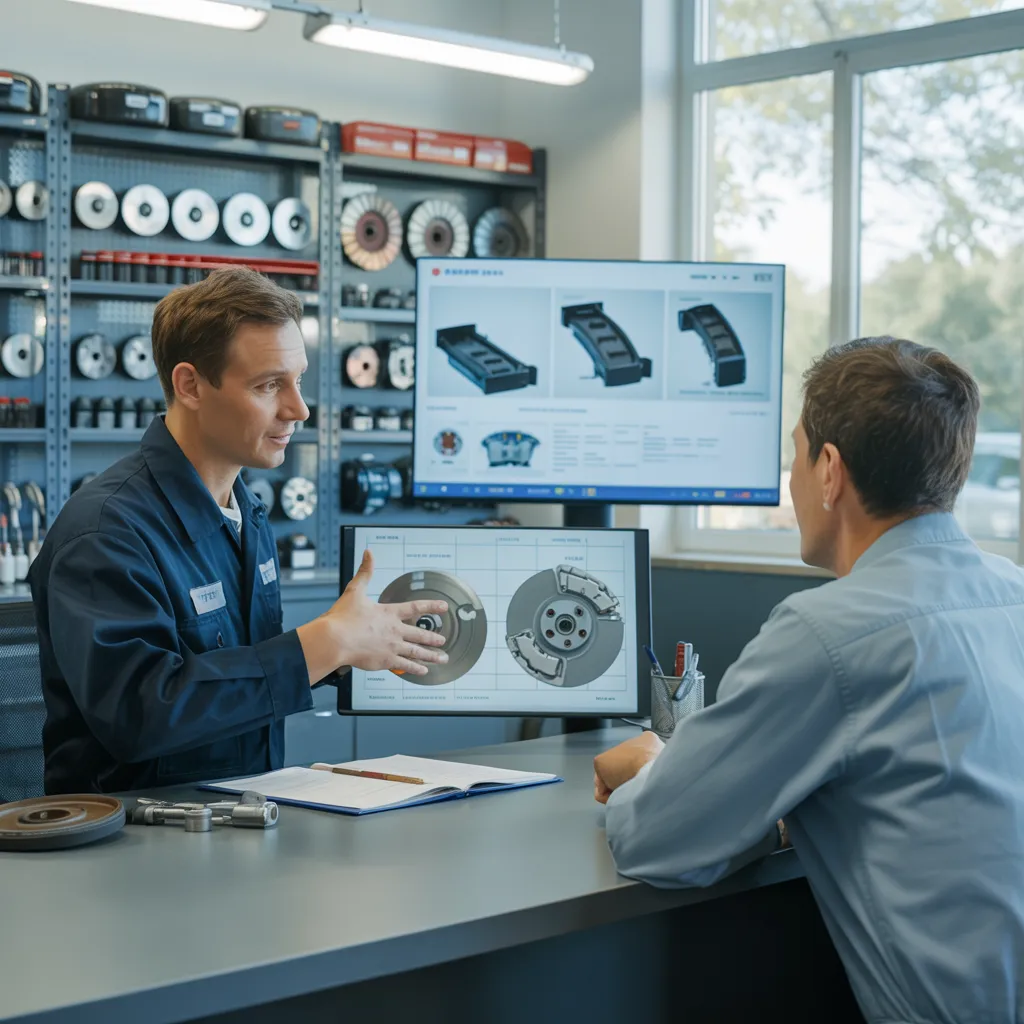
Issues with brakes and suspension are vital considerations for ensuring vehicle safety and performance. The braking system, including components like pads, rotors, and calipers, requires regular inspection to guarantee effective stopping power. Damaged brake pads can cause diminished performance and longer stopping distances, presenting a serious danger. Similarly, suspension problems can affect ride quality and handling. Elements including shocks, struts, and springs operate in unison to sustain vehicle stability and ride comfort. Signs of suspension issues include excessive bouncing, uneven tire wear, or a noticeable tilt in the vehicle.
When addressing these problems, technicians work with diagnostic tools and carry out visual inspections to determine specific concerns. Quick repairs not only increase safety but also extend the vehicle's lifespan. Regular maintenance of brakes and suspension systems is essential for maximum driving conditions, guaranteeing that vehicles can operate effectively to the demands of the road.
Engine Repair and Overhaul Services
Vehicle performance relies heavily on the engine, making engine repair and overhaul services vital for preserving peak functionality. These services tackle a multitude of issues, including worn components, oil leaks, and overheating. Technicians utilize advanced diagnostic tools to detect engine malfunctions, guaranteeing accurate repairs.
Reconstructing an engine often entails disassembling it to examine each part, changing out worn-out elements, and reassembling it to return ideal performance. This process can considerably extend the lifespan of the vehicle, boosting dependability and efficiency.
Regular maintenance, such as oil changes and coolant checks, can prevent extensive issues, but when difficulties emerge, immediate engine repair is crucial. Skilled mechanics are trained to handle both minor repairs and major overhauls, offering tailored solutions based on the vehicle's particular requirements. In the end, allocating resources for engine repair and overhaul services confirms that vehicles continue to operate effectively and reliably on the road.
Transmission Repair & Replacement
Transmission repair and replacement solutions are vital for guaranteeing a vehicle's efficient operation and complete performance. The transmission, in charge of delivering power from the engine to the wheels, plays a vital role in a vehicle's performance. When concerns develop, such as slipping gears, strange sounds, or transmission fluid leakage, immediate assessment by a skilled professional is crucial.
Service and repair may encompass diagnosing and correcting minor concerns, including seal or gasket replacement, or handling more serious matters, such as replacing whole transmission assemblies. For cases where repair is not practical, replacement with a rebuilt or new transmission can return the vehicle's performance to optimal levels.
Regular maintenance, including fluid changes and inspections, can help prevent major transmission failures. All in all, grasping the importance of transmission services helps vehicle owners make smart decisions, maintaining their vehicles' reliability and efficiency on the road.
Tire Solutions and Wheel Alignment
Though numerous motorists might disregard the vital role of tire services and wheel alignment, these components are vital for maintaining optimal handling and safety on the road. Appropriate tire maintenance encompasses regular assessments, rotations, and balancing to ensure even wear and extended tire life. Ignoring these services can cause lower traction, increased fuel consumption, and ultimately, expensive replacements.
Wheel alignment, in contrast, ensures that all four wheels are accurately aligned in relation to each other and the road. Improper alignment may occur from hitting curbs or potholes, and it might result in uneven tire deterioration and reduced steering performance. Regular alignment checks can assist in preventing these concerns and enhance vehicle stability.
Professional Services for Hybrid & Electric Vehicles
As the automotive sector continues to develop, specialized services for EVs and hybrid vehicles have become crucial. This includes battery maintenance and replacement, which are critical for ensuring optimal performance and extended lifespan. Furthermore, the use of specialized diagnostic tools is essential to accurately assess the distinctive systems and parts of these vehicles.
Battery Service and Replacement
An important component of caring for hybrid and electric vehicles is effective battery management and replacement. These vehicles depend on advanced battery systems that necessitate specialized care to maintain superior performance and longevity. Periodic checks are essential to detect any signs of wear, corrosion, or degradation. Proper charging practices and temperature management also play critical roles in increasing battery life. When replacement becomes needed, it is crucial to use OEM-approved batteries to copyright vehicle efficiency and safety. Technicians experienced in hybrid and electric vehicle systems are capable to handle these tasks, making sure that the battery functions properly within the vehicle's overall electrical ecosystem. This specialized knowledge is essential for drivers looking to extend their vehicle's lifespan and performance.
Specialized Assessment Instruments
Dedicated diagnostic tools play an essential role in the maintenance and repair of hybrid and electric vehicles. These state-of-the-art instruments are developed to interface with the complex electronic systems that manage vehicle performance, ensuring precise assessments of battery health, motor function, and energy management systems. Traditional diagnostic equipment often falls short when addressing the unique configurations found in hybrid and electric vehicles, demanding tailored solutions. Tools such as scan tools, multimeters, and specialized software aid technicians in diagnosing issues quickly. Moreover, ongoing advancements in telematics and vehicle-to-cloud technology enhance the diagnostic process, facilitating real-time data analysis. As hybrid and electric vehicle adoption expands, the importance of these specialized diagnostic tools continues to grow, ensuring optimal vehicle performance and safety.
Common Questions
How Do I Choose the Right Auto Repair Shop?
To pick the right auto repair shop, one should explore local choices, read customer testimonials, compare services, verify certifications, and review the shop's experience with specific vehicle makes and models for ideal care.
What Should I Do in Case My Vehicle Breaks Down?
When a car stops working, the individual should move to a safe location, engage hazard lights, and evaluate the circumstances. Calling for roadside assistance or a tow service is advisable, keeping safe while expecting aid.
How Can I Verify My Mechanic's Trustworthiness?
To evaluate a mechanic's credibility, one should check online feedback, seek advice, verify licenses, and assess honesty in communication and pricing. Examining the shop's overall cleanliness and professional standards can also give valuable indicators into their credibility.
What Are the Common Warning Signs My Car Requires Repairs?
Common signs a car needs repairs include unusual noises, warning lights illuminating on your control panel, fluid leaks, diminished power output, and vibrations throughout vehicle operation. Disregarding these signals may lead to more substantial damage and expensive service work.
At What Intervals Should I Get My Vehicle Inspected?
The majority of experts suggest getting a vehicle inspected at least once a year. Even so, inspection frequency can increase in relation to mileage, age, and designated manufacturer guidelines, guaranteeing safety and maximum performance while helping prevent costly repairs.